
Understanding the Contemporary Challenges in Control Systems
In an era where precision and efficiency dictate operational success, the traditional methods employed in control systems often fall short of expectations. Consider a scenario where an automated factory line malfunctions—unexpected downtime leads to financial losses, and productivity plummets. How might these issues be mitigated? Enter the io controller, which offers a solution to enhance reliability and performance. Through the implementation of modernized control systems, businesses gain the opportunity to rectify long-standing flaws associated with conventional methods, ensuring smoother operational flows.
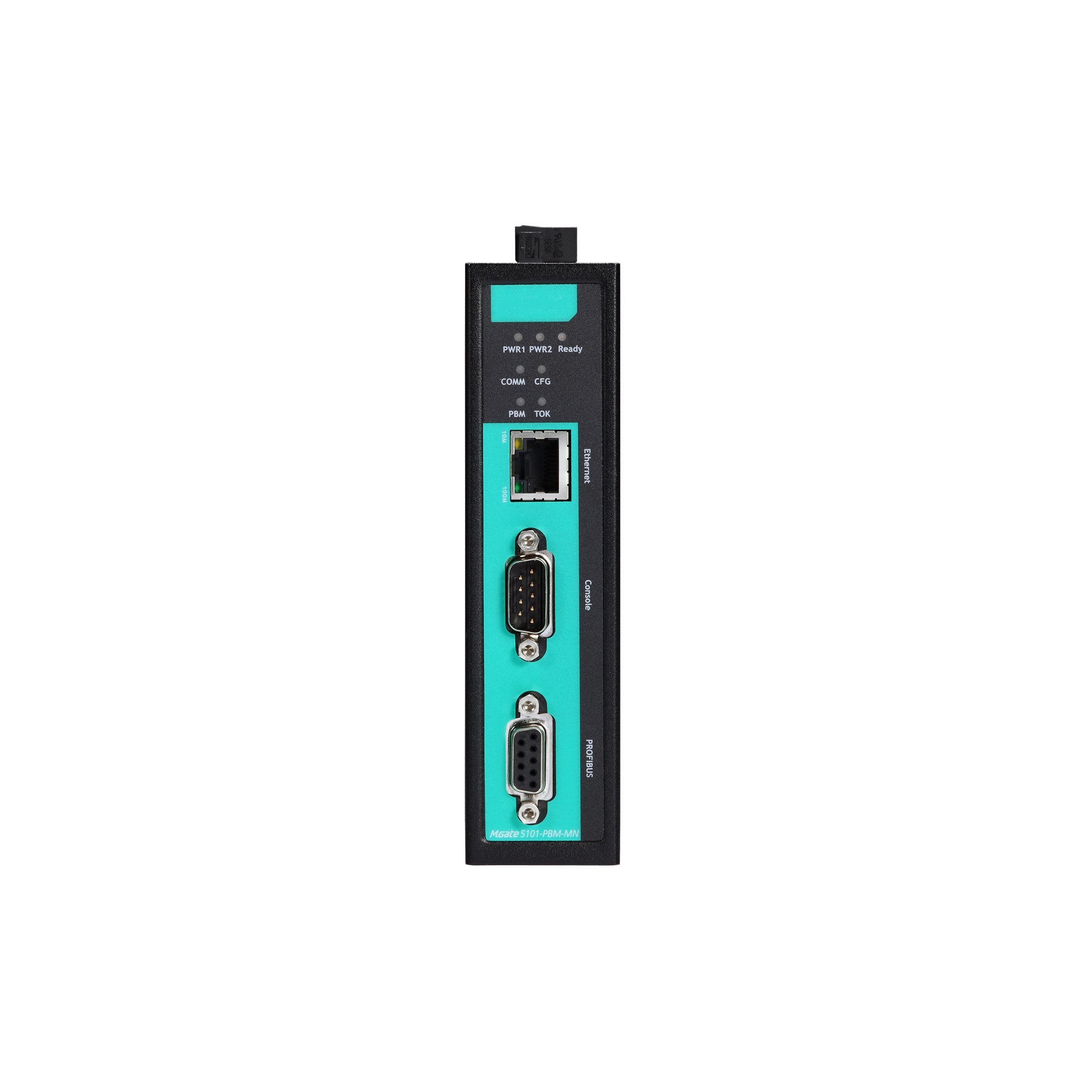
Revealing the Flaws in Traditional Solutions
Historical approaches to control systems, though foundational, have often been riddled with challenges. Inflexibility, limited scalability, and susceptibility to errors are just a few of the defects that might render these systems ineffective in today’s fast-paced environments. Furthermore, redundancy in control processes can lead to inefficiencies, raising questions about their long-term viability. Why do failures always occur during critical operations when such flaws can be addressed? The introduction of state-of-the-art technology aims to remedy these issues by streamlining processes and providing enhanced support.
Advancing with New Technology Principles
In light of the myriad issues presented by conventional solutions, the emergence of the io controller marks a pivotal shift towards enhanced operational reliability. By deploying innovative design principles—integrating real-time data processing and feedback loops—these controllers offer superior adaptability and resilience. As systems become increasingly complex, leveraging edge computing nodes and intelligent automation enables stakeholders to respond dynamically to challenges as they arise. This paradigm shift ultimately leads to heightened quality assurance and superior biocompatibility within various technological landscapes.
Quantified User Benefits of Modern Controllers
Users adopting these advanced solutions experience demonstrable benefits—statistical data corroborates enhancements in efficiency by up to 50%. Such improvements facilitate not only a reduction in error rates but also a marked increase in overall productivity. On a broader scale, organizations report a significant decline in operational disruptions, allowing them to concentrate on innovation and growth. Look, it’s simpler than you think; with a reliable io controller, you can seamlessly navigate the complexities of modern industrial demands.
Assessing the Right Solutions for Your Needs
When selecting the most suitable solutions for your operational needs, always verify these 3 metrics: ① reliability under various conditions, ② adaptability to operational shifts, and ③ ease of integration with existing systems. By doing so, you not only ensure that potential issues are nipped in the bud but also position your business for sustained success in the competitive marketplace.
Diving into Input Output Controllers
The role of the input output controller cannot be overstated in the context of seamless data management and operational efficiency. Designed to bridge the gap between sensors and actuators, this technology allows industries to maintain high levels of precision while reducing response times. Moreover, as operational demands grow more complex, utilizing an input output controller provides not only clarity but also the power necessary to navigate intricate networks of machinery with ease.
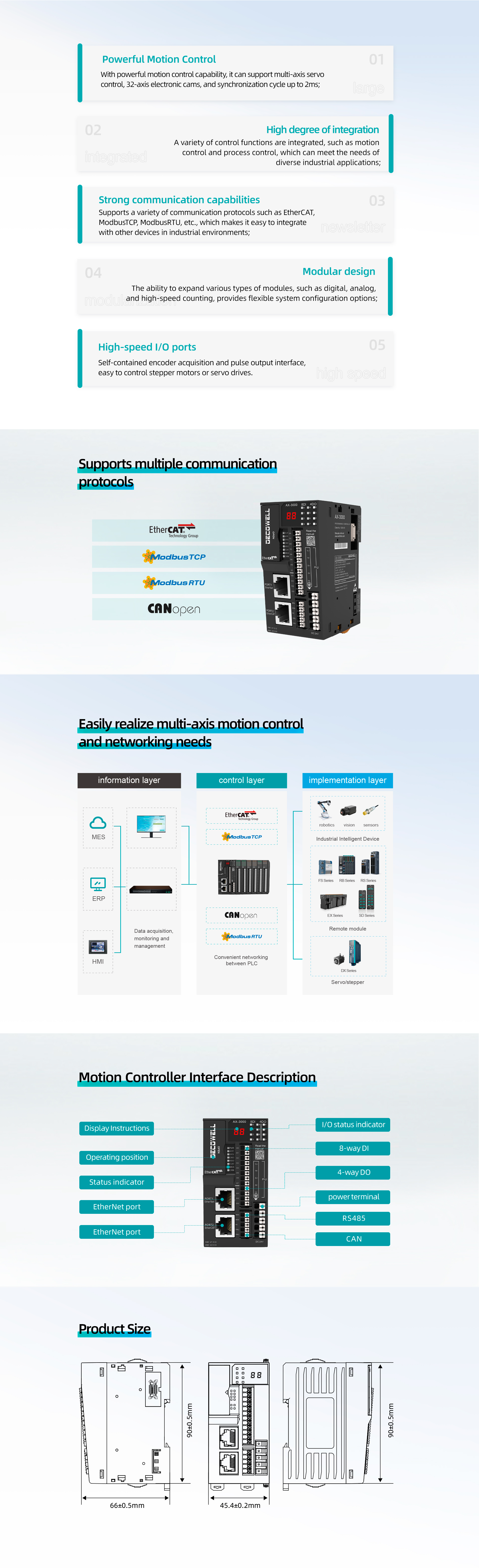
Exploring Modular Input Output Controller Features
A compelling choice in this domain is the modular io controller, which exemplifies adaptability and efficiency. These systems are engineered to fulfill a variety of roles within an operation, easily expanding or contracting based on real-time requirements. By allowing for modular upgrades, organizations can tailor their systems without substantial investments in entirely new infrastructure; thus ensuring longevity and relevance in a rapidly evolving technological landscape. Each module provides targeted functionality, affording users the flexibility to adapt their setup as needs change.
Conclusion and Brand Recommendation
In summary, the importance of integrating advanced control system technologies, such as the input output controller and modular io controller, is clear. These innovations facilitate enhanced performance, adaptability, and efficiency in diverse operational landscapes. For organizations seeking a reliable partner in navigating these advancements, look no further than DECOWELL. This brand not only provides cutting-edge solutions but also comes equipped with supply advantages, ensuring your operational needs are met with the utmost reliability and precision.